RIVURTEXT (2026)
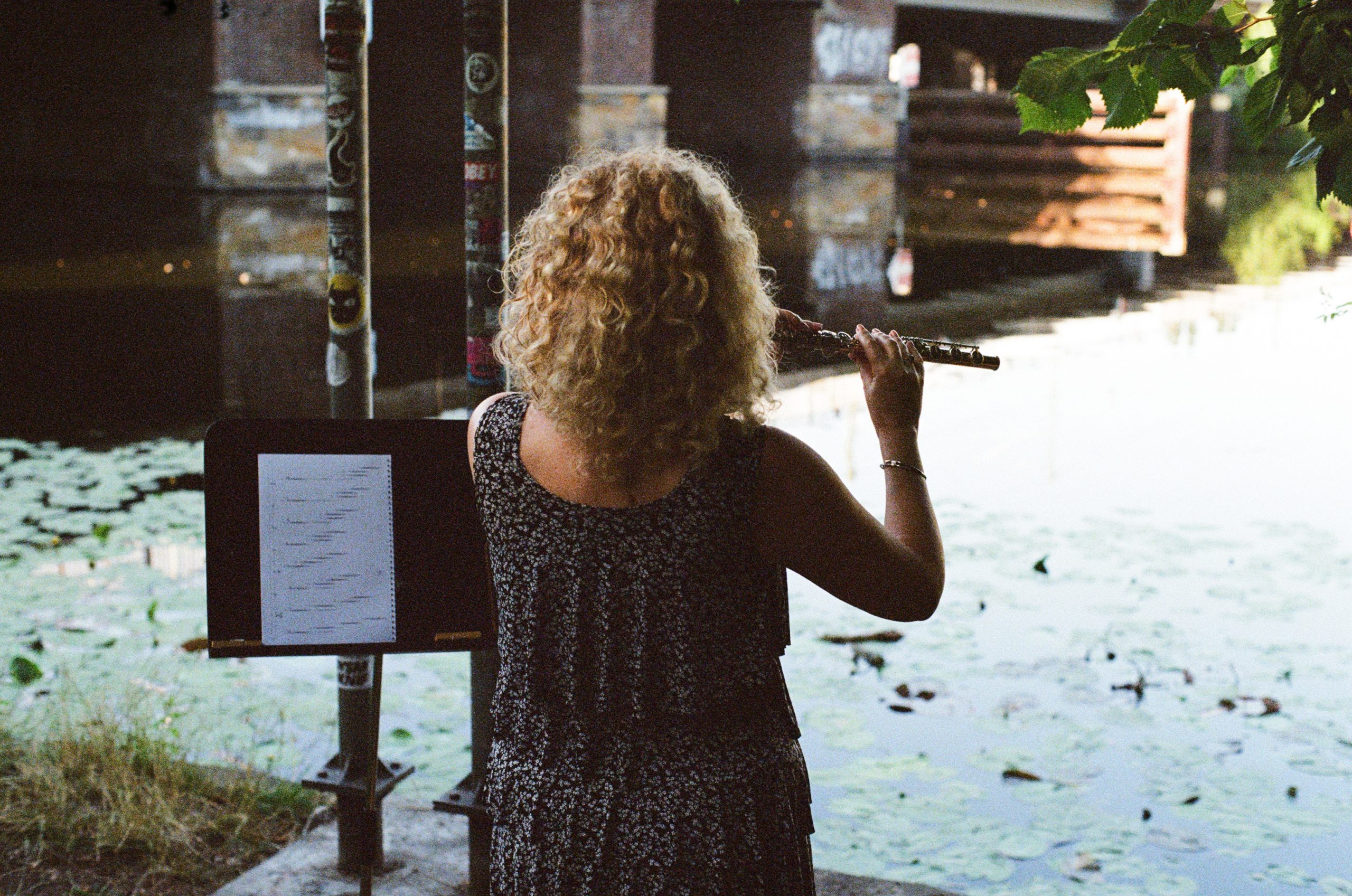
Durational performance for flute, trumpet, trombone, and French horn on the River Spree (Berlin).
Commissioned by Akademie der Künste, written for the ELISION Ensemble (Paula Rae, Tristram Williams, Ben Marks, Deepa Goonetilleke).
World premiere: 25th-27th June 2026, Spreeklänge, River Spree, Berlin (DE).
Full duration: 80+ minutes.
The creative research was funded by the Australian Research Council Laureate Project Resonant Earth: Music, Ecology, and Climate Justice directed by Prof. Liza Lim, Sydney Conservatorium of Music, University of Sydney. The work was developed in Berlin, and on Wurundjeri Lands (Naarm/Melbourne) throughout 2025 and 2026.
Rivurtext is a site-specific, durational work for a long stretch of the River Spree. The work challenges concepts of originality and authorship as they traditionally manifest in the urtext score. Rivurtext rather emphasises the fluid knowledge of the River, infinitely generative and slipping perpetually out of reach.
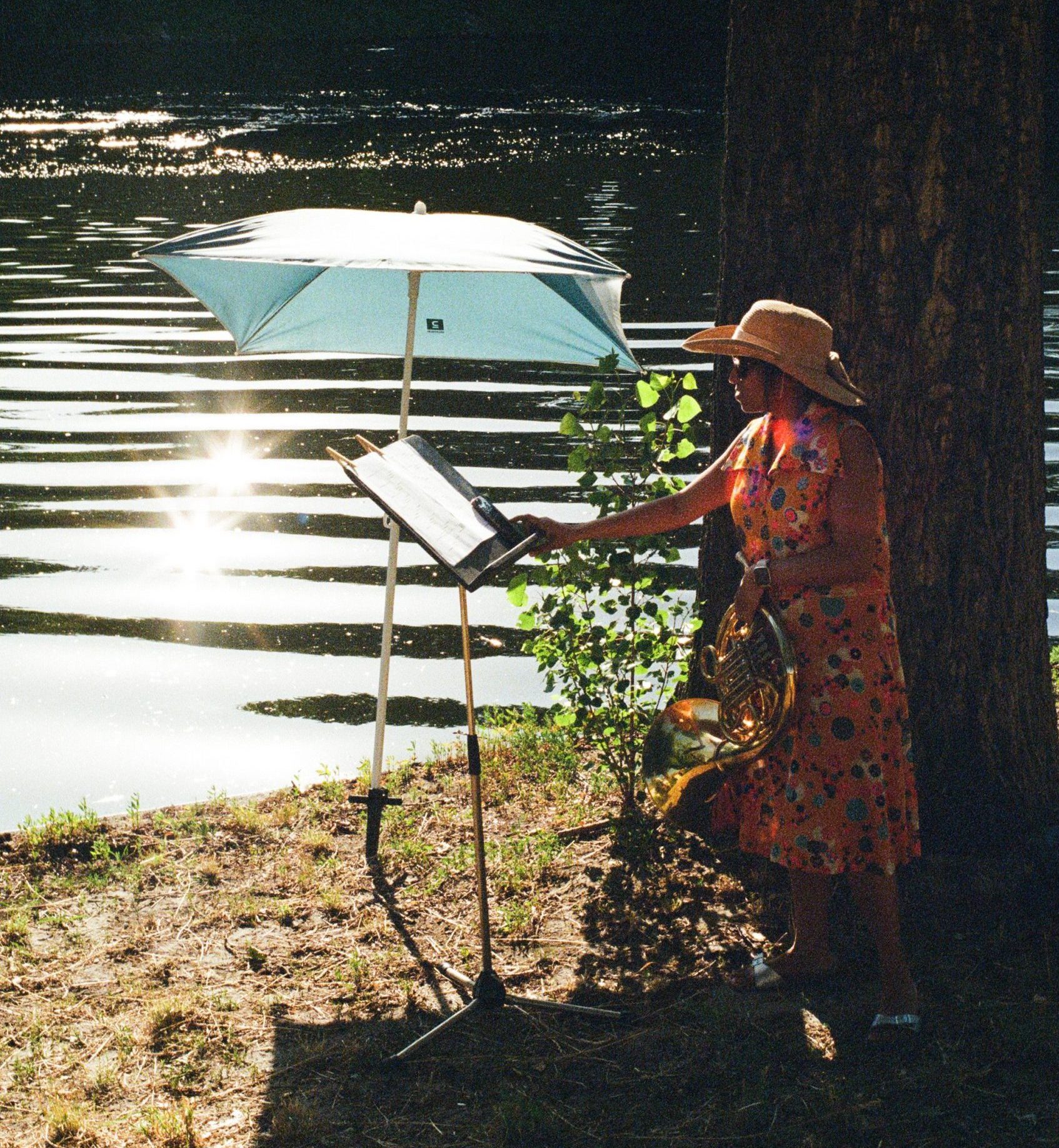
The four instrumentalists are dispersed at significant distances along riverbank, which means their ensemble communication is mediated by the swirling complexities in the environment. The delay in the production and reception of sound (and its transformation in the meantime) is at the core of this work: rhythm and sequence are perceptual phenomena, always relative to the churning geography of the River. The audience participate in the music’s emergence as they walk, changing their configuration within the River-sound-system.
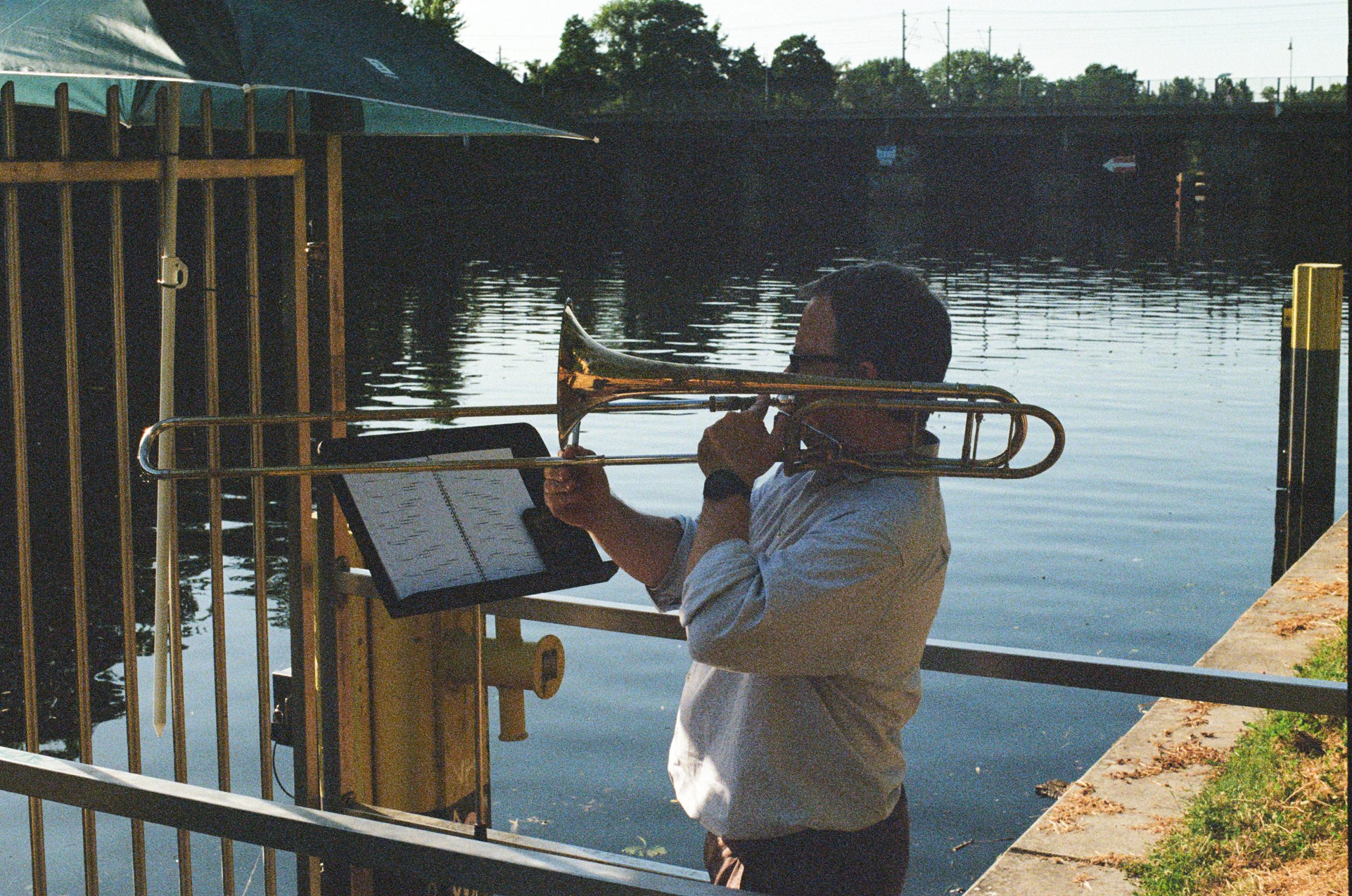
The River Spree is an important multispecies corridor in Berlin. Creatures of all kinds commute along its banks in a perpetual flow of energy. Rivurtext draws attention to this movement as it is embodied by the migratory audience, and through the musicians’ sound as it travels both upstream and downstream. In dry air, and at 20 degrees Celsius, sound moves at 343 metres per second, although heat and humidity can blur this measurement. Furthermore, sound refracts with temperature variance—bending trajectory—perhaps scattering into the leafy textures of the adjacent park, or persisting across the sheen of the water’s surface. Performed as the heat of the day recedes, the music of Rivurtext will morph according to the crepuscular logic of the River.
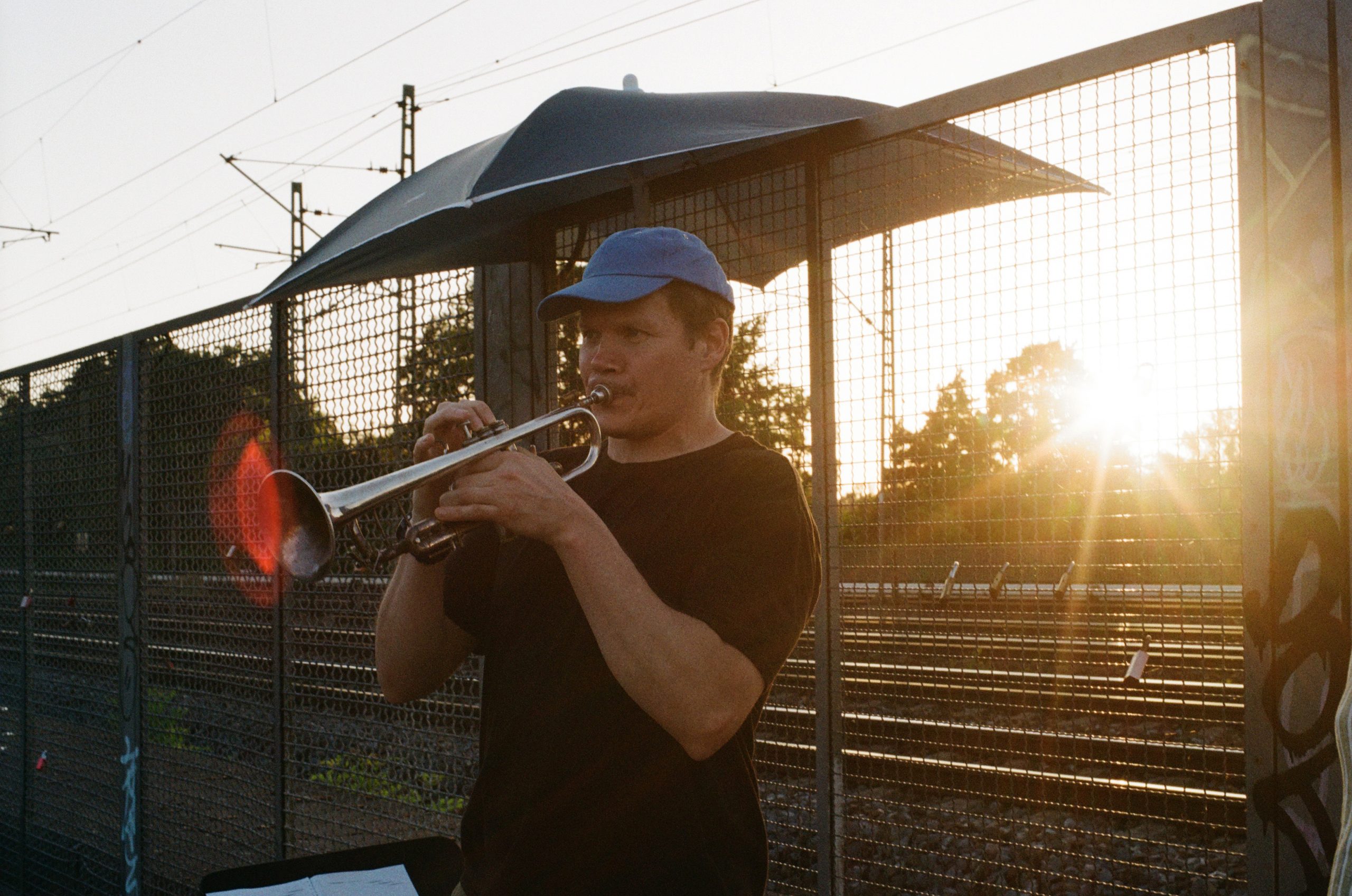
This work belongs to a linage of outdoor composition which seeks to explore the nuances of communication over distance, and the way messages are co-constituted by the richly agentic environment—in this case, meaning is co-created with the River. Conceived for flute, trumpet, trombone, and horn, the work makes reference to historical signal instruments, often employed in military contexts as a form of mediated power and control. In Rivurtext, these imperial connotations are gently undone by the River’s steady flow, and the relinquishing of the instruments’ sound to environmental relativity.